Cubria vs national cost books (RSMeans, Craftsman)
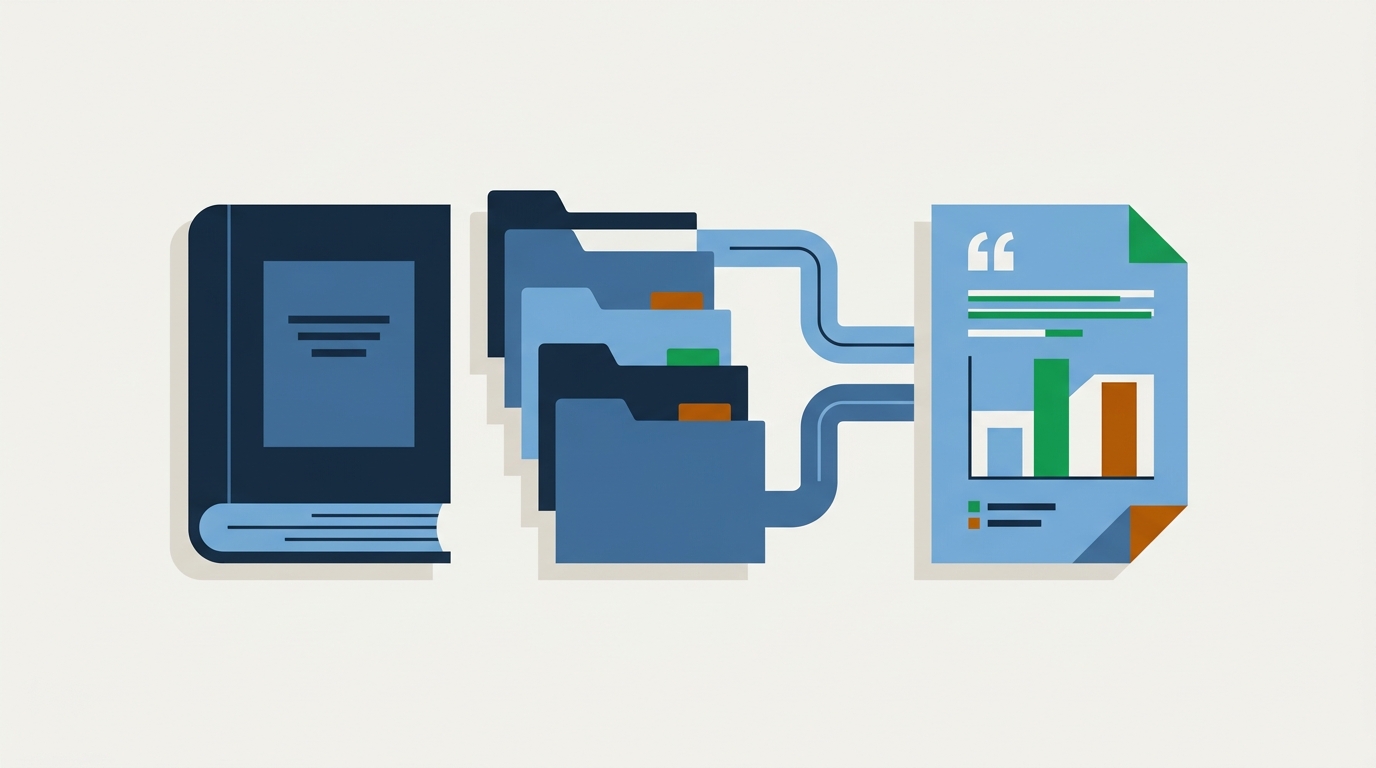
Ask a room full of builders where their estimate numbers come from and a few will name a national cost book — RSMeans, Craftsman National Estimator, or one of the trade-specific guides. They're respected references, they've been around forever, and they have their place. But there's a reason the estimate they produce is one you can't quite defend when a client pushes back: the book doesn't know your business.
What cost books get right
Let's give them their due. A national cost book is a serious piece of work — thousands of assemblies, regularly updated, adjusted by region. As a sanity check, it's genuinely useful:
- A fast gut-check when you're stepping into unfamiliar work.
- A reference for a line you've never priced before.
- A neutral third-party number when you want to argue with your own.
If your estimate is wildly off the book, that's worth a second look. That's the right way to use one — as a second opinion, not the quote itself.
Why the book's number isn't your number
The problem is baked into what a cost book is: a regional average. It's the middle of a wide range, adjusted by a location factor, for a generic building. And you're not pricing a generic building — you're pricing this house, with your people, in your market.
- It doesn't know your crews — how fast your framers actually go, what your finish carpenter really charges.
- It doesn't know your suppliers — the lumber deal you've had for years, the tile vendor who's up 12% this spring.
- It doesn't know your market — what labor costs on your side of town this quarter, not the regional mean from the last update cycle.
- It's still manual — you do the takeoff, look up each assembly, apply the location factor, and adjust by hand.
- It's a subscription on top — you're paying for averages, then paying again in the hours to translate them into a real quote.
Average is a dangerous word in estimating. Half the houses in that regional average cost more than the number, half cost less, and the book can't tell you which half yours is in. Your own completed jobs can.
A cost book gives you the average price for a house nobody built. Your finished jobs give you the real price for the houses you did.
Your completed jobs already have the answer
Here's the thing the book can never do: your own finished jobs already bake in your real costs. Your crews, your suppliers, your market, this season — it's all in there, because you lived it. The best pricing database you own is the one you've been building one job at a time. The only question is whether it's working for you or sitting in a filing cabinet.
That's the entire idea behind Cubria:
- Reads your uploaded plans and builds a typed, editable project spec — square footage, foundation, finish tier, systems — with confidence cues and links to the source, so you're not doing the takeoff by hand.
- Prices each quote line from your own completed jobs — comparable-based — so every number reflects your actual costs, not a regional mean.
- Flags any line it can't ground in your history and asks you for a real number, instead of quietly dropping in an average and calling it done.
- Generates a ready-to-sign Word contract from the quote and spec.
- Onboards from your past cost sheets — upload your completed jobs and it's pricing from your real data on day one.
Every number traces back to a job you actually built. That's a quote you can put in front of a client and defend line by line.
The honest tradeoff
- Keep the cost book as a sanity check — a fast second opinion for unfamiliar work or a line you've never touched. It's good at that.
- Use Cubria for the quote itself when the estimate has to hold up — because it's priced from your completed jobs, not a national average, and it comes out grounded, flagged where it needs a real number, and ready to turn into a contract.
The big builders have an estimating department that knows every past job cold. A cost book was never going to give you that — it gives everyone the same averages. Cubria gives you your numbers: the estimating department the big builders have, without the overhead. That's what Cubria is built to do, and if you want to see it against the alternatives, here's the straight comparison.
Frequently asked questions
Are national cost books like RSMeans accurate for custom homes?
They give a regional average — the middle of a wide range, adjusted by location factor, for a generic building. They're a useful sanity check for unfamiliar work or a line you've never priced, but they don't know your crews, your suppliers, or your market, so the number is one you can't fully defend when a client pushes back.
Why are my own completed jobs better than a cost book?
Your finished jobs already bake in your real costs — your crews, suppliers, and market, this season — because you lived them. A cost book gives everyone the same regional average; your completed jobs give you the real price for the houses you actually built.
How does Cubria use my past jobs to price a quote?
Cubria reads your plans to build an editable spec, then prices each quote line comparable-by-comparable from your own completed jobs, so every number reflects your actual costs. It flags any line it can't ground in your history and asks for a real number, then turns the quote into a ready-to-sign contract.
Bring a past build and see the quote Cubria puts together.