Can you trust AI construction estimates?
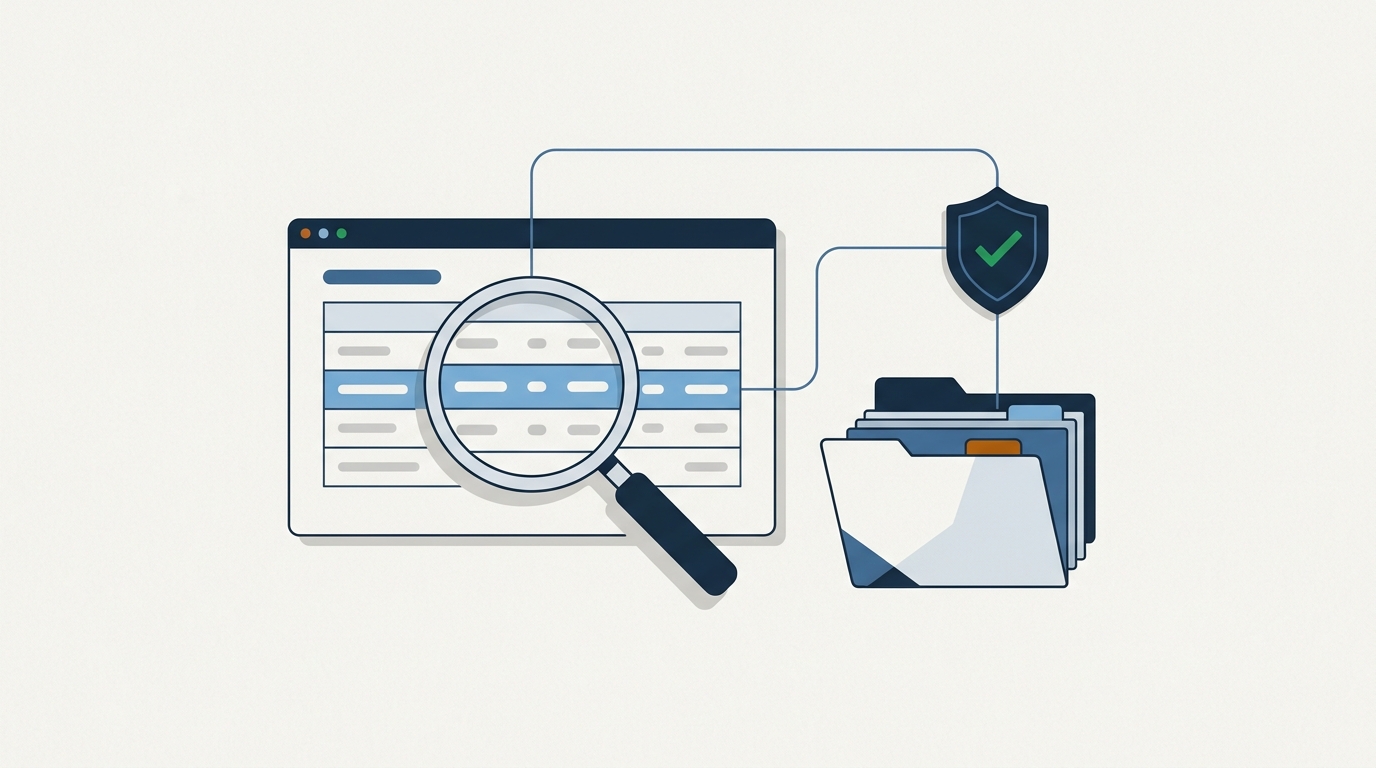
Short answer: an AI construction estimate is only as trustworthy as its sources. If you can see where each number came from — and it came from a real job you actually built — you can defend it to a client and stake your margin on it. If the tool hands you a total with no trail behind it, you're trusting a guess dressed up as a number. The difference isn't the AI. It's whether the AI shows its work.
Why "it used AI" tells you nothing
An estimate isn't trustworthy because a model produced it. It's trustworthy because you can answer three questions about it: where did this number come from, is it based on my costs, and does the tool admit when it doesn't know. Plenty of tools now generate a confident-looking total from generic regional averages and a bit of pattern-matching. The number looks precise. It's an average for a house that doesn't exist, priced with crews and suppliers that aren't yours.
The problem with a black-box estimate isn't that it's always wrong — it's that you can't tell when it's wrong. And an estimate you can't check is one you can't defend when the client pushes back on a line.
The three questions to ask any AI estimate
Before you trust a number a tool gives you, run it through this checklist:
- Can you trace it? Click a line and see the actual jobs or quotes behind it. If the answer is "the model decided," that's not a source.
- Does it use your data? A number built from your completed jobs reflects your labor rates, your subs, and your market. A number built from a national cost book reflects none of them.
- Does it admit what it doesn't know? A trustworthy tool flags the lines it can't ground and asks you for a real number. A black box fills every line with equal confidence, whether it has a basis or not.
If a tool passes all three, the AI is doing the tedious work and leaving the judgment to you. If it fails any of them, you're not reviewing an estimate — you're rubber-stamping one.
The number you can defend is the one you can trace back to a job you actually built.
What "grounded" actually means
Grounded means every line points back to something real. When Cubria prices a quote, each category is built from comparable line items in your own completed jobs — similar size, similar finish, similar systems. The price already carries your crews, your suppliers, and your market, because that's where it came from. Open a line and you see the past jobs behind it, not a shrug.
That's the opposite of inventing a number from generic data. A cost book knows the regional average for framing labor. It doesn't know that your framing crew is faster on a slab and slower on a walkout basement, or that your lumber supplier gives you a break the next county over doesn't get. Your history knows all of that. A grounded estimate reads it back to you.
The honest part: when there's no comparable
The real tell of a trustworthy tool is what it does when it can't find a basis. Every job has a line with no history behind it — a first-of-its-kind feature, a new material, an odd site condition. The dishonest move is to pad it "to be safe" and hand you a confident total anyway. That's how you either price yourself out of the job or eat the overage.
Cubria does the opposite: it flags the line and asks for a real number instead of guessing. You get a sub quote, make a call, and enter it as a decision — not a fabricated figure buried in a total you never questioned. A tool that tells you where it's unsure is more trustworthy than one that never blinks.
You're still the estimator
None of this replaces your judgment, and it shouldn't pretend to. The point of a grounded AI estimate is to do the bookkeeping — reading the plans, building the spec, pulling comparables, assembling the categories — and then hand you something you can actually check and adjust. You review each line, override what the job on your desk needs, and send a quote you can stand behind. The AI drafts. You decide.
Bottom line
Can you trust AI construction estimates? Trust the ones you can audit. An estimate is only as good as its sources, and the best source is your own completed work. Ask whether you can trace each line, whether it's priced from your data, and whether the tool admits what it can't ground. If the answer to all three is yes, the AI is earning its keep.
That standard is exactly what Cubria is built to meet: every line prices from your own past jobs and traces back to them, anything it can't ground gets flagged for a real number, and you stay in the chair reviewing the work — not trusting a black box. If you want to see how a grounded estimate is assembled, that's the whole idea behind how we price a quote.
Frequently asked questions
Can you trust AI construction estimates?
Only the ones you can audit. An estimate is trustworthy when you can trace every line back to a real job you actually built — not because a model produced it. If the tool hands you a total with no trail behind it, you're trusting a guess dressed up as a number.
What questions should I ask before trusting an AI estimate?
Three: Can you trace each line to the actual jobs or quotes behind it? Is it priced from your own data, not a national cost book? And does it admit what it can't ground instead of filling every line with equal confidence? Pass all three and the AI is earning its keep.
What should a trustworthy tool do when there's no comparable?
Flag the line and ask you for a real number instead of padding it 'to be safe.' You get a sub quote or make a call and enter it as a decision — a tool that tells you where it's unsure is more trustworthy than one that never blinks.
Bring a past build and see the quote Cubria puts together.